
The purpose of the Division of Infectious Disease Management is to assure an effective Agency-wide program for the surveillance, prevention, and control of infection among inmates, employees, and visitors. This mission includes education, testing, and treatment for infectious diseases that are common in a confined setting. The division has several partnerships with both private and state agencies to achieve its mission.
The Division of Bed Utilization is comprised of a team of medical professionals whose mission is to assist in the placement of the incarcerated population needing specialized medical care. The division evaluates hospitalized patients to assure institutional placement meets the medical needs of the patient, ensures that needed equipment and medication is available, and manages transportation arrangements for medically complex patients between facilities. Additionally, the division tracks patients in specialized medical units to best utilize resources for both the patient and the Agency.
The Division of Community Medical Outreach Services is broken into three primary areas, General Medical Discharge, Compassionate Releases and the Geriatric Program.
The objective of the Medical Discharge Planning process is to ensure that incarcerated individuals are adequately informed regarding their individualized treatment plans and to facilitate continuity of medical care during the transition from the South Carolina Department of Corrections to community-based healthcare providers upon release. This process is intended to mitigate adverse health outcomes and prevent disruptions in treatment through active engagement of the individual throughout the discharge planning continuum.
Care coordination for individuals with infectious diseases is initiated at intake and maintained throughout the period of incarceration, with intensified discharge planning implemented as the individual's release date approaches. Medical Discharge Planning personnel coordinate closely with community healthcare providers, public health agencies, and other external stakeholders to ensure appropriate linkage to ongoing medical care following release.
Individuals presenting with serious or chronic medical conditions requiring continued therapeutic management are connected with appropriate healthcare providers, specialty services, medication assistance programs, and other requisite community resources. This coordination is intended to promote continuity of care and reduce the likelihood of treatment interruption following release.
South Carolina statute establishes two mechanisms of compassionate release for eligible incarcerated individuals presenting significant medical or mental health needs. The Division of Community Medical Outreach Services is responsible for initiating the Medical Parole process for individuals who satisfy statutory criteria pertaining to terminal illness, advanced age (geriatric status), permanent disability, or eligibility under the Special Parole provision for Veterans with qualifying psychiatric conditions.
The South Carolina Department of Probation, Parole and Pardon Services holds authority for reviewing applications and authorizing release for individuals who meet established eligibility criteria for medical parole.
In addition to medical parole, the Division administers the Medical Furlough process. Eligibility for medical furlough requires a diagnosis of terminal illness with an estimated life expectancy of twelve months or less. The Division of Community Medical Outreach Services coordinates the evaluation and review process in conjunction with institutional healthcare providers, community-based healthcare partners, and other relevant stakeholders. Final determination regarding approval or denial of a medical furlough rests with the Agency Director, following comprehensive review of the individual's medical condition, discharge plan, and available community resources.
The Geriatric Care Program addresses the complex healthcare needs of the aging incarcerated population through a patient-centered model that balances the risks and benefits of medical intervention among individuals presenting with multiple chronic conditions, functional impairments, and disabilities.
For individuals requiring assistance with activities of daily living, trained Inmate Support Caregivers may provide non-clinical assistance under the supervision of healthcare staff. Candidates for the caregiver role undergo a structured screening and interview process to evaluate suitability, reliability, and commitment to the program.
Selected caregivers complete a minimum of twenty hours of classroom instruction, skills demonstration, and competency-based training, in accordance with standards established by the American Correctional Association (ACA) and the National Commission on Correctional Health Care (NCCHC). Evaluation criteria extend beyond technical competency to include physical capability, emotional maturity, cognitive and social functioning, communication proficiency, and professionalism, ensuring caregivers are equipped to safely and effectively support aging and medically vulnerable individuals.
This patient-centered model enables the Division to identify individualized healthcare and housing needs, promote functional independence to the extent clinically feasible, and ensure the provision of supportive services appropriate to the needs of the geriatric population.
The Health Administrative Division oversees the administrative and business aspect of the agency’s healthcare system via the agency’s mission. We collaborate with providers, vendors, outside entities, stakeholders, and state agencies to streamline medical care of the inmate population through the following areas: Fiscal Management, Contract Management, Medical Supply and Equipment Management, and Inpatient Inmate Medicaid.
Allocating funds efficiently for optimal patient care while managing resources, monitoring fiscal budget and establishing trends. Medical billing reconciliation and review to aid in proper fund appropriations.
Maintain and monitor service contracts and agreements that assist with the daily operations of Medical Services to ensure compliance with state laws and regulations.
Manages the procuring of essential and up to date medical supplies and equipment to facilitate optimal patient care with our female and male population. Inventories and distributes medical items to 21 state facilities.
Partners with SC Thrive and SC DHHS to apply and process Medicaid applications for inmates with qualified inpatient hospitalizations in efforts to generate a significant cost savings for the State of South Carolina. This practice also improves data communication between SC DOC and SC DHHS regarding incarceration and release.
Established in 2022 in support of the administrative functions of institutional medical operations. Its primary purposes lie in medical policy development, troubleshooting service obstacles, and ultimately improving efficiency of institutional medical operations, while assuming coordination of the administrative duties traditionally placed on licensed clinical staff. This division works closely with all medical divisions in strategizing and planning. The division’s areas of purview primarily include, but are not limited to, Policies, Procedures, Forms, & Standards; Administrative Processes & Workflows; Appointment Scheduling & Transportation; EHR/Documentation & Records; Institutional Reporting (in collaboration with DACQI). In summary, this division collaborates with institutional, divisional, and executive management to create, develop, implement, and direct initiatives that promote the success of institutional medical services in delivering the most appropriate standard of care to our inmate population.
The Medical Policy Administration (MPA) branch directs the timely review, development, and maintenance of agency medical policies, procedures, forms, and standards to ensure alignment with legal, clinical, and accreditation requirements. The MPA branch is primarily responsible for annual policy reviews; drafting new and revised policies; advising medical leadership on policy interpretation; developing standardized forms; and researching correctional best practices and legal guidelines to inform institutional policy. Working closely with all medical division directors and the Agency’s Policy Development branch of Legal & Compliance, MPA supports consistent, systematic clinical operations across SCDC.
The Health Information Management (HIM) branch, centralized within SCDC, provides services to federal, state, and local government agencies, community medical facilities, SCDC facilities/staff, and inmates. The HIM branch is primarily responsible for the provision of legal documents, records, and information as well as the organization, storage, and long-term maintenance of legal and clinical records for SCDC.
The Institutional Medical Office Services (IMOS) branch provides centralized administrative support for institutional medical clinic operations across SCDC facilities. The IMOS branch is primarily responsible for scheduling internal and external appointments; coordinating inmate transportation for medical care; managing administrative communications; serving as the institutional records administrator; and supporting broader office management and administrative initiatives that enable clinic workflows. IMOS partners daily with institutional medical and security staff, community providers, and facility leadership to ensure efficient, reliable access to care and smooth clinic operations.
Division of Nursing
The Division of Nursing is responsible for a wide variety of care services to include health status appraisals and intake assessments, treating major and minor preexisting conditions, managing chronic illnesses and addressing acute health needs within the facilities. Additionally, the division of nursing provides emergent and critical care, stabilizing patients and coordinating with external medical facilities as necessary. We provide these services through evidence-based nursing practices that protect the inmate population, promote wellness, optimize health, safeguards illness and injury prevention, and facilitates healing. We dedicate our time to alleviating suffering through the diagnosis and treatment of human response with care and respect.
Division of Laboratory Services
The South Carolina Department of Corrections’ Laboratory Services is a certified, moderately complexed laboratory under the Clinical Laboratory Improvement Act. Laboratory services operates as the core laboratory for SCDC. This division provides clinical laboratory services to all offenders. Laboratory testing services include but are not limited to clinical chemistry tests, lipid profiles, therapeutic drug levels, hemoglobin A1Cs, complete blood counts, complete urinalysis, STI testing, viral and bacterial infections, HIV testing, Hepatitis testing, microbiology, histology, and cytology. These diagnostic services are important to help clinicians decide on fast and effective treatments for their patients, serving as an invaluable resource for SCDC providers and staff.
Division of Clinical Support
The Division of Clinical Support Services is committed to providing quality patient care and medical services to SCDC patients statewide. Centrally located, the division provides specialty medical care via our onsite Specialty Clinic, onsite Radiology services, Telehealth services and a host of other supportive services that help to ensure that we’re adequately and efficiently providing the best care possible for our patient population. It is our goal to continue to expand and enhance the services being provided as we continue to focus on patient centered care.
Division of Pharmacy Services
Pharmacy Services is centrally located and dispenses medications for patients in each institution around the state. Pharmacy staff contribute clinical knowledge and expertise to the overall medical services group of the department of corrections to provide the best healthcare possible to incarcerated individuals and to meet the mission of this agency. We protect the public, employees and our inmates and provide pharmacy services and proper treatment with professional excellence and fiscal responsibility.
Division of Dental Services
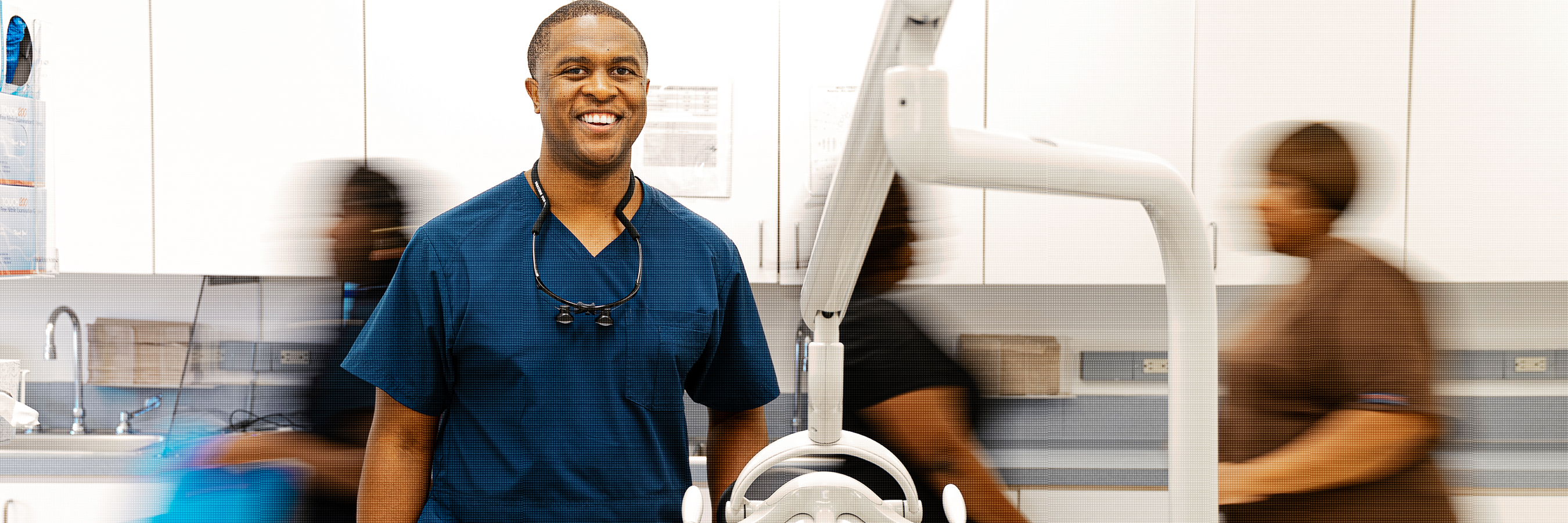
The Division of Dental services consists of dentists, dental assistants, and recently the addition of dental hygienists as well. A dental screening exam is completed by a dental professional on every inmate through the intake process. The SCDC Dental Team provides the following dental treatment for our patient population: extractions, fillings, partial and complete dentures, cleanings, exams, and night guards when needed. Inmates are seen in our dental clinics based upon the level of urgency of their dental need and scheduling is done based upon requests received from inmates. For any dental work requested that is not treatment provided by SCDC such as root canals and crowns, inmates are assisted with completing an Elective Outside Healthcare Request form.
Division of Continuous Quality Improvement & Analytics
As a team dedicated to the improvement of care delivery and quality control, our primary focus is on leveraging data analytics and implementing continuous quality improvement initiatives to optimize the efficiency, effectiveness, and overall quality of medical care provided to inmates. We utilize data analysis techniques to gather insights from various healthcare metrics, patient outcomes, and operational processes. Our overall objective is to ensure the provision of quality medical care to all patients.